
Lawtitude
UN Advances Negotiations on Framework Convention for International Tax Cooperation- August 2026
In August 2026, the United Nations made significant progress towards creating a new international framework for cooperation on taxation. The Fifth Session of the Intergovernmental Negotiating Committee (INC) was held at the United Nations Headquarters in New York from 3 to 13 August 2026. Representatives of UN Member States participated in negotiations on the proposed United Nations Framework Convention on International Tax Cooperation.
The initiative comes at a time when economic activity is becoming increasingly global. Companies operate across several countries, digital businesses can provide services without a physical presence, and investments and income frequently cross-national borders. These developments have created challenges for traditional tax systems and increased the need for stronger international cooperation. The August session was an important stage in the negotiation process, during which countries examined draft legal texts. The United Nations aims to complete the negotiating process and submit the final texts to the General Assembly in 2027.
Need for International Tax Cooperation
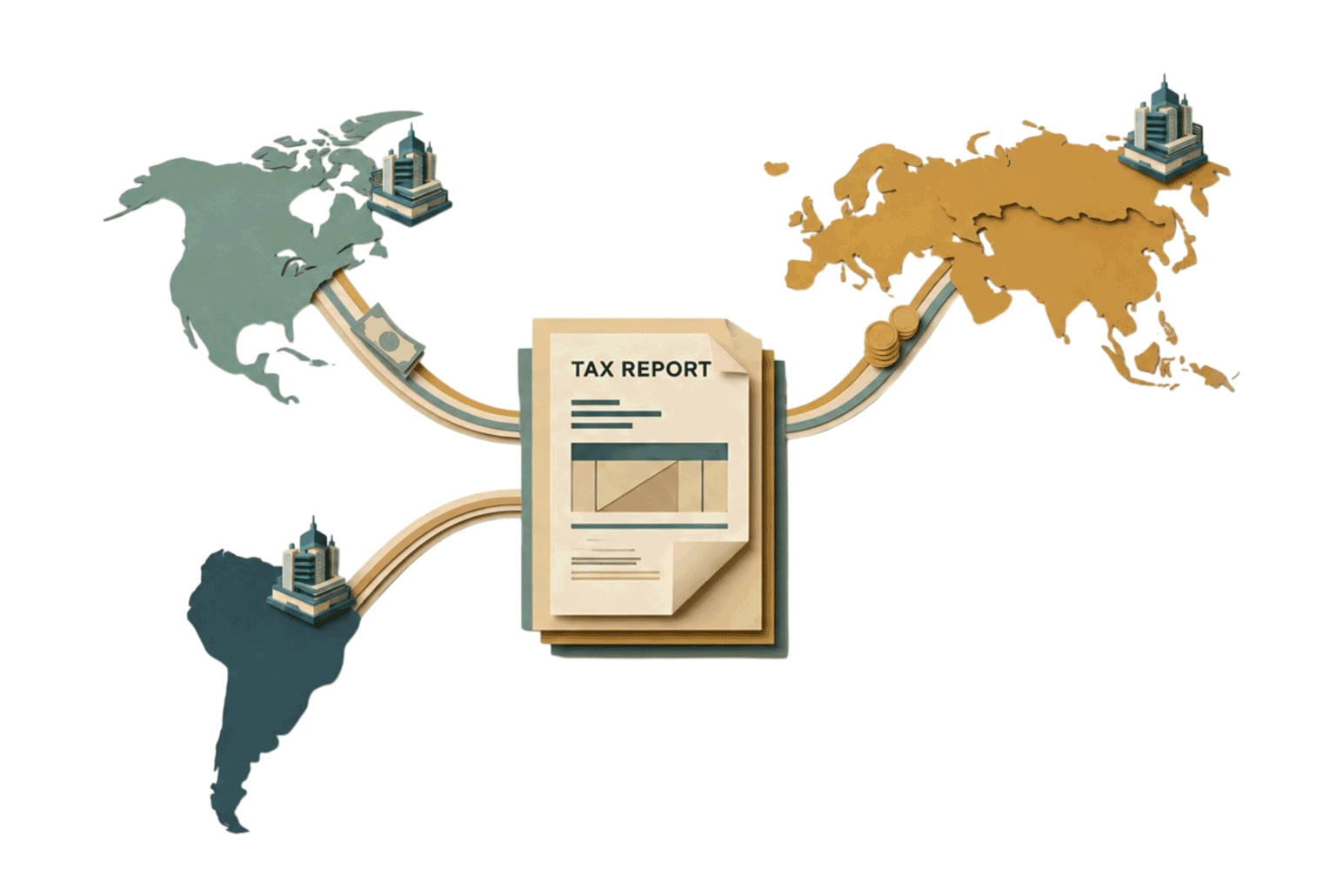
Taxation is primarily a responsibility of individual governments. However, modern economic activities often extend beyond national boundaries. This can create situations where more than one country claims the right to tax the same income or where differences between national tax systems create uncertainty. Digitalisation has made the issue even more complicated. A company can provide digital or professional services to customers in another country without establishing a traditional physical office there. Governments therefore face difficult questions about where such income should be taxed and how taxing rights should be shared.
International tax cooperation is also important for developing countries. Governments require sufficient revenue to finance essential public services, infrastructure, education, healthcare and sustainable development. Weaknesses in international tax cooperation can make it more difficult for countries to collect revenue from cross-border economic activities.
The August 2026 Negotiations
The August session represented an important stage in the negotiations because discussions moved towards detailed examination of draft legal provisions.
The negotiating committee considered zero drafts, which are working documents prepared as a basis for negotiations. These drafts are not final treaties. Countries can propose changes, additions or deletions before agreement is reached.
Three major instruments were under discussion:
- The Framework Convention on International Tax Cooperation
- A protocol on taxation of income from cross-border services
- A protocol concerning the prevention and resolution of tax disputes
The discussions therefore covered both the broad institutional framework for international tax cooperation and specific tax issues that are becoming increasingly important in the global economy.

Proposed Convention on International Tax Cooperation
The proposed Framework Convention is intended to establish a broad foundation for international cooperation in taxation. Rather than attempting to solve every tax issue through one document, the framework would provide common principles and mechanisms through which countries can cooperate. It could create a basis for future agreements and continued international discussions on taxation.
One of the important features of the initiative is its UN-led and Member State-driven nature. Countries participate directly in the negotiation process and have the opportunity to put forward their views on the future of international tax cooperation. The initiative therefore has significance beyond taxation. It is also connected with questions of international economic governance and the participation of developing countries in shaping global rules.
Prevention and Resolution of Tax Disputes
Another important area of negotiation is the prevention and resolution of tax disputes. International tax disputes may arise when two countries have different interpretations of tax rules or when both seek taxing rights over the same income. Such disputes can create uncertainty for governments and businesses.
An effective system for preventing and resolving these disputes could improve predictability in international taxation. It could also encourage countries to cooperate rather than deal with complex cross-border tax disagreements through prolonged individual negotiations. The proposed protocol therefore focuses on creating mechanisms that could make international tax cooperation more effective and predictable.
Importance for Developing Countries
Many developing countries need additional domestic resources to meet development goals. Governments have to finance public infrastructure, education, healthcare, social protection and climate-related programmes while also dealing with limited fiscal resources. International tax cooperation can contribute to stronger domestic revenue mobilisation by helping countries address cross-border tax challenges. The UN process is also significant because developing countries are participating in negotiations over the rules that may influence the future international tax system. This provides an opportunity for a wider range of countries to contribute to global tax policymaking.
Challenges Ahead
Countries have different economic structures, tax systems and national priorities. Developed and developing economies may also have different views on how international taxing rights should be distributed. Another challenge is ensuring that the proposed framework works alongside existing bilateral tax treaties and other international arrangements. Countries will need to determine how the new framework will interact with rules that are already in operation.
There is also the question of implementation. Even after countries reach agreement at the international level, individual governments may need to introduce domestic measures to give effect to their commitments. Therefore, reaching consensus on the final legal texts may require further negotiations and compromise among Member States.
The Road Ahead
The United Nations negotiations in August 2026 represent an important development in the effort to build a more coordinated system of international tax cooperation. The initiative addresses some of the major challenges created by the modern global economy, particularly cross-border services and international tax disputes. It also has potential significance for developing countries seeking to strengthen domestic revenue mobilisation. However, the proposed Framework Convention has not yet been adopted. If successfully concluded, the initiative could become an important development in global economic governance by creating a broader and more coordinated approach to international taxation. Its ultimate significance will depend on the final agreement reached by Member States and its implementation by countries around the world.